What is SIDS or SUDC?
Sudden Infant Death Syndrome (SIDS), for a baby under the age of 12 months, or Sudden Unexplained Death in a Child (SUDC) over the age of 12 months, is when a baby tragically dies from an unknown cause.
Thankfully, infant mortality rates across Europe keep falling, but the causes of SIDS are not understood. There is ongoing research to try to get to the bottom of this. A baby who dies from SIDS is thought to have a combination of factors affecting them at a vulnerable stage in their development.
Who is more at risk of SIDS?
Premature babies and babies born with a low birth weight are known to be more at risk of SIDS. In addition, in general, babies under the age of three months are more at risk, and by 6 months of age their risk decreases.
How can I reduce the risk of SIDS?
Here are six evidence based top tips to help reduce the risk of SIDS:
- If you are able, breastfeed your baby. We know that breastfeeding protects against SIDS.
- Put your baby BACK to sleep: lie them flat on their back when settling them at night-time or for naps.
- Share a room with your baby for at least the first 6 months after they are born.
- Keep your baby ‘smoke free’ during pregnancy and after birth.
- Never fall sleep in an armchair or on a sofa with your baby.
- Don’t share a bed with your baby if someone in the bed smokes, has drunk alcohol, or has taken drugs or medication that can make them sleepy or drowsy.
If you want to find out about more ways to reduce the risk of SIDS and make sleep safer for your baby, take a look at the Lullaby trust website https://www.lullabytrust.org.uk which is full of information from the ideal room temperature, to mattresses and bedding, and getting bereavement support. You can also ask your midwife or your baby’s doctor for advice.This video is worth looking at https://www.youtube.com/watch?v=NO2vbtjNk2c
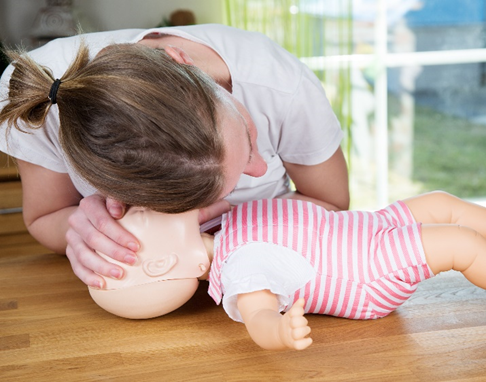
HealthFirst runs an online course which teaches you and your partner how to act in an emergency involving a baby or child. You can find details here: https://healthfirst.ch/for-public/first-aid-training/saving-young-lives-cpr-and-emergency-first-aid-for-babies-and-children/