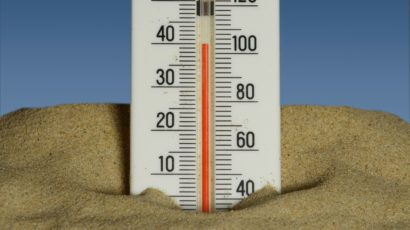
With the temperatures outside dropping, we are at the start of the season of colds, coughs and other feverish illnesses. And as our bodies, or the the bodies of our children, react to these illnesses, so our temperature rises.
Any body temperature above 37.5 degrees is classified as a fever (when taken via the ear or rectally, with a reliable thermometer). A low fever can be helpful in increasing the efficiency of our cells to fight the infection. However, as the fever rises, so does the risk of seizures (which can be dangerous) and the dreadful feeling of being hot/cold/shivery and generally unwell.
So how can you help to bring a high fever down?
- Remove excess clothing, especially hats for babies and young children.
- Cool the room e.g. open window, start a fan (on the other side of the room so it doesn’t blow directly on to the skin).
- Give plenty of drinks (with no caffeine in them) eg water, juice, milk etc
- Give painkiller medication (paracetamol and/or ibuprofen) as long as there is no allergy to them. Always consult a doctor before giving any medication to a baby under 3 months old.
Speak to a doctor or go to the hospital if you are worried and/or the fever gets above 38.5 degrees. Have a lower threshold for seeking medical help for younger children.