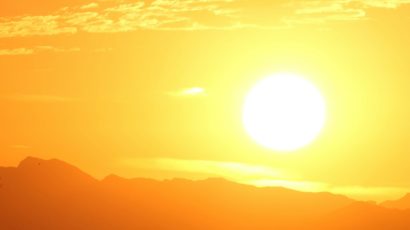
As the days grow longer and Switzerland moves into summer, many of us naturally feel drawn outdoors towards the mountains, lakes, forests and open green spaces that make this country so unique. But spending time in nature is far more than simply enjoyable. A growing body of scientific evidence shows that regular exposure to natural environments can have profound benefits for both physical and mental health.
Whether it’s hiking in the Alps, cycling through open pastures, swimming in a lake, trail running in the forest, or simply walking beneath trees, time spent outdoors can support cardiovascular health, improve mood, reduce stress, enhance sleep, and even help with long-term metabolic health and weight management.
Nature and Physical Health
Physical activity in natural environments often feels easier and more rewarding than exercise indoors. Activities such as hiking, running, cycling and swimming help strengthen the heart and lungs, improve circulation, reduce blood pressure, and lower the risk of cardiovascular disease.
Research consistently shows that regular physical activity also improves insulin sensitivity, supports metabolic health, and helps maintain a healthy body weight. The World Health Organization recommends adults aim for at least 150 minutes of moderate physical activity each week and being outdoors can make achieving this feel more enjoyable and sustainable.1
Switzerland’s landscape naturally encourages movement. Hiking mountain trails challenges the cardiovascular system, cycling builds endurance and muscular strength, and swimming in lakes provides low-impact exercise that supports joint health while improving fitness.
The Mental Health Benefits of Green and Blue Spaces
Nature also has a remarkable impact on the brain and nervous system. Studies show that spending time in green spaces like forests, parks, meadows and mountains is associated with lower stress levels, reduced anxiety, improved mood and better psychological wellbeing.2,3
Researchers have found that even short periods in nature can lower cortisol, one of the body’s key stress hormones. Exposure to natural environments helps calm the nervous system by reducing sympathetic “fight or flight” activation and supporting a more restorative parasympathetic “rest and digest” state.
Trees appear to play a particularly important role. Forest environments have been linked to reductions in stress, blood pressure and mental fatigue. In Japan, the practice of “forest bathing” or Shinrin-yoku, spending mindful time among trees, has been widely studied for its calming effects.4
Blue spaces, such as lakes, rivers and oceans, may provide additional psychological benefits. Research suggests that viewing or spending time near water can promote feelings of calmness, improve mood, and reduce mental fatigue. Simply seeing blue natural scenes has been associated with increased relaxation and emotional restoration.5
Better Sleep, Better Recovery
Another benefit of outdoor activity is improved sleep. Natural daylight exposure helps regulate our circadian rhythm, the body’s internal clock that controls sleep and wake cycles.
Modern lifestyles often keep us indoors under artificial light and in front of screens for long periods of time. Spending time outside, especially earlier in the day, helps reinforce healthy sleep patterns and may improve sleep quality and duration.
Physical activity outdoors also contributes to better recovery, improved energy levels and enhanced concentration with benefits that can positively impact school performance, workplace wellbeing and overall quality of life.
A Simple but Powerful Health Tool
Perhaps one of the most important messages is that nature does not need to be extreme or complicated to be beneficial. A mountain hike is wonderful, but so is a walk by the lake, a cycle ride through the countryside, or spending time in a local park.
Small, regular moments outdoors can make a meaningful difference to physical health, mental wellbeing and stress resilience.
As we move into the warmer months, summer offers a valuable opportunity to reconnect with movement, fresh air, sunlight and the natural environments around us. In a world that is increasingly busy, fast-paced and screen-focused, nature may be one of the simplest and most effective wellbeing tools we have.
References
- WHO Guidelines on Physical Activity and Sedentary Behaviour. Geneva: World Health Organization; 2020.
- Twohig-Bennett, C., & Jones, A. (2018). The health benefits of the great outdoors: A systematic review and meta-analysis of greenspace exposure and health outcomes. Environmental Research, 166, 628–637. https://doi.org/10.1016/j.envres.2018.06.030
- Bratman, G. N., Anderson, C. B., Berman, M. G., Cochran, B., de Vries, S., Flanders, J., Folke, C., Frumkin, H., Gross, J. J., Hartig, T., Kahn, P. H., Kuo, M., Lawler, J. J., Levin, P. S., Lindahl, T., Meyer-Lindenberg, A., Mitchell, R., Ouyang, Z., Roe, J., … Daily, G. C. (2019). Nature and mental health: An ecosystem service perspective. Science Advances, 5(7), 903–927.
- Park, B. J., Tsunetsugu, Y., Kasetani, T., Kagawa, T., & Miyazaki, Y. (2010). The physiological effects of Shinrin-yoku (taking in the forest atmosphere or forest bathing): evidence from field experiments in 24 forests across Japan. Environmental Health and Preventive Medicine, 15(1), 18–26. https://doi.org/10.1007/S12199-009-0086-9
- Gascon, M., Zijlema, W., Vert, C., White, M. P., & Nieuwenhuijsen, M. J. (2017). Outdoor blue spaces, human health and well-being: A systematic review of quantitative studies. International Journal of Hygiene and Environmental Health, 220(8), 1207–1221. https://doi.org/10.1016/J.IJHEH.2017.08.004