HealthFirst

D Is For Danger

23rd September 2011

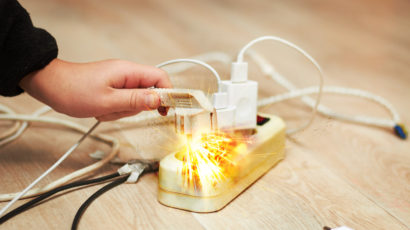
Throughout our lives, we will inevitably come across people, children or adults, who have become suddenly ill or had a accident – and it is perfectly human to want to help in anyway we can. Always remember your own safety first however. D is for Danger – always look first for anything that might injure you, the rescuer, because if you get hurt then someone else will need to come to help both of you.

Look for speeding cars, broken glass, territorial dogs, heavy items that may fall on you. Wear plastic gloves to protect yourself and the victim from infections too. To find out more about how to help a victim safely, attend a First Aid course – learn the theory, have a open discussion and practice with realistic scenarios using lifesized manikins.


More Articles

It’s Time for Change: Raising Awareness of Menopause

Blog, Mental Health, Physical Health, Women's Health

It’s Time for Change: Raising Awareness of Menopause

Menopause affects every woman, yet it is still surrounded by misunderstanding and stigma. Learn how hormonal changes impact both physical and mental health, the treatments available, and why raising awareness benefits individuals, families and workplaces.

10th July 2026

Menopause in the Workplace: An Overlooked Driver of Performance, Retention, and Inclusion

Blog, Mental Health, Physical Health, Women's Health

Menopause in the Workplace: An Overlooked Driver of Performance, Retention, and Inclusion

Menopause is not only a health issue – it’s a workforce and business issue. Dr Mecky McNeil examines the evidence behind menopause’s impact on employee well-being, retention and productivity, and shares practical recommendations for building menopause-aware workplaces.

8th July 2026

How to Recognise Heat Exhaustion and Heat Stroke

Blog, Physical Health

How to Recognise Heat Exhaustion and Heat Stroke

As temperatures rise, recognising the warning signs of heat exhaustion and heat stroke could save a life. Learn who is most at risk, how the body copes with extreme heat, and when emergency medical help is needed.

25th June 2026

Stay in Touch

Keep up to date with all our latest training and courses